Misión Madrid is our scavenger hunt in Madrid for companies (in Spanish you will see it written as gymkana, gymkhana, gincana or yincana), and it can be played with three themes: spies, adventure or medieval. In all three, teams explore an area of the city on foot following a story, and at each stop there is a challenge they can only solve if they share out the work well. It is not a race. The winner is the team that organises itself best, not the one that runs fastest.
We set it up in the centre, along the Castellana or in whatever area suits your group, and the story is adapted to your company: the names, the messages and even the “secret” to be protected can be yours.
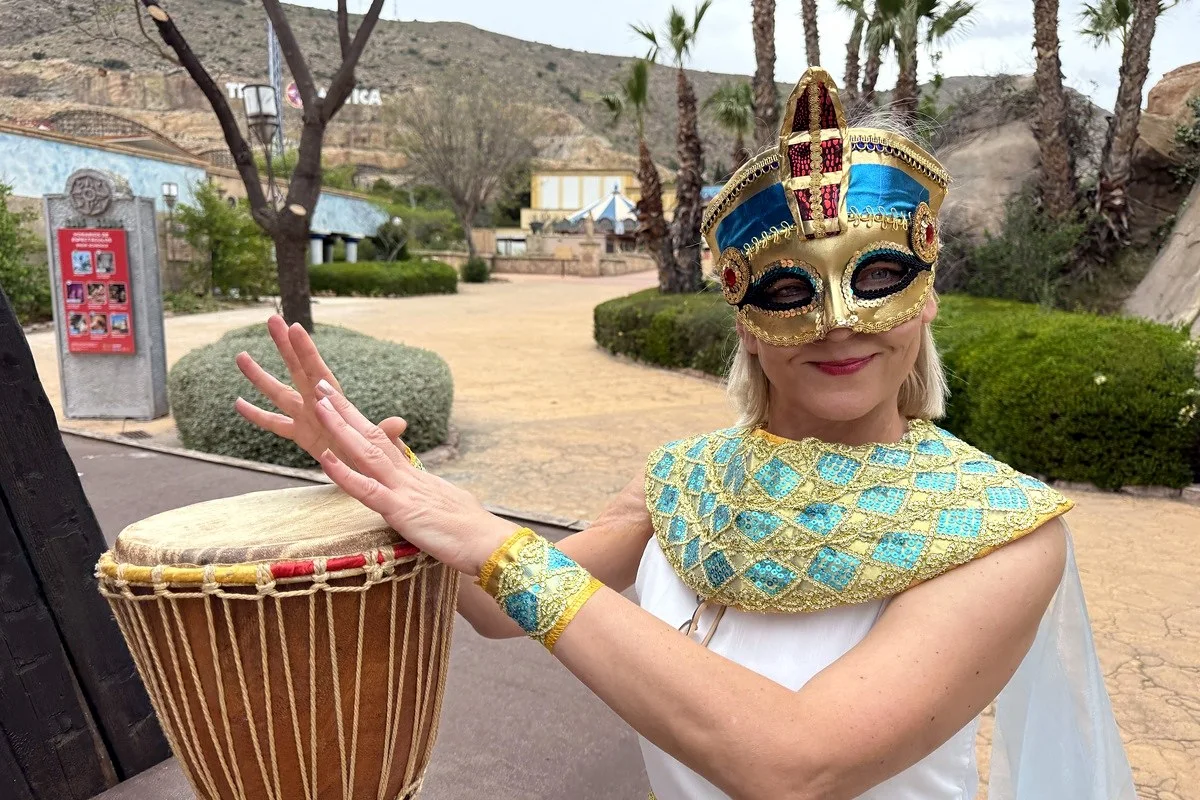
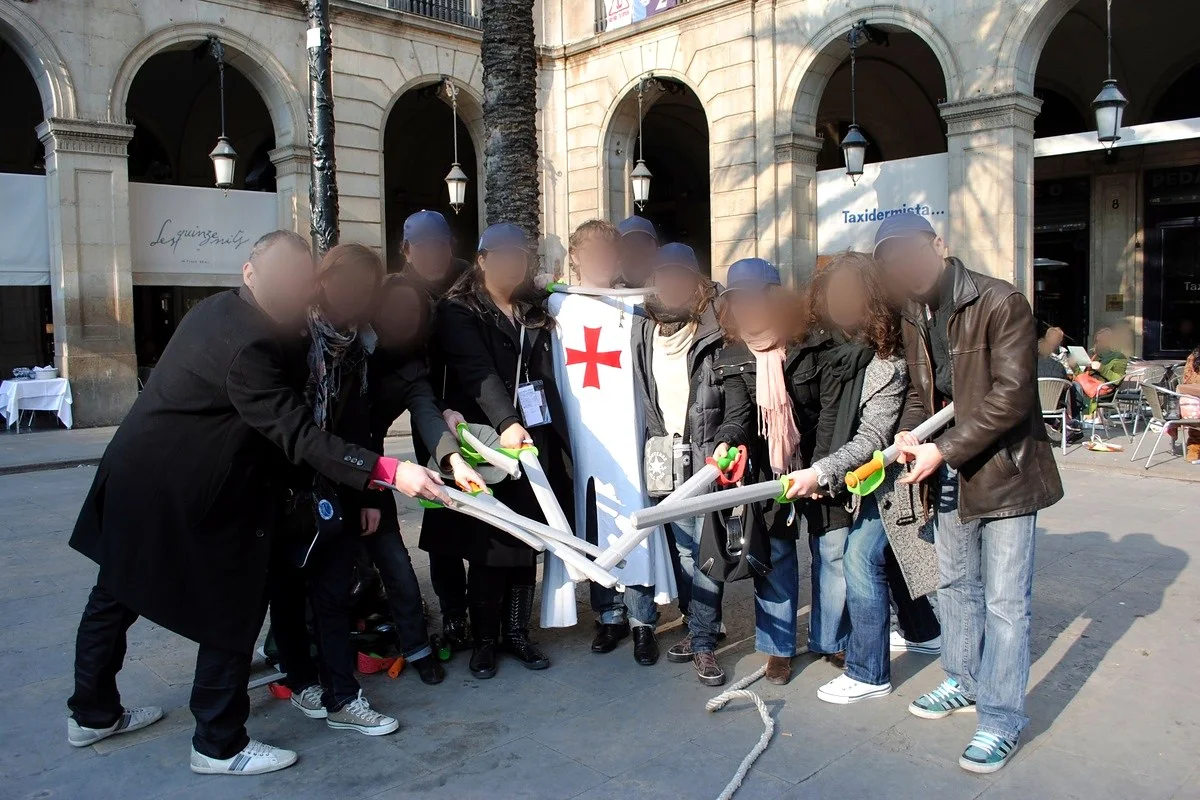
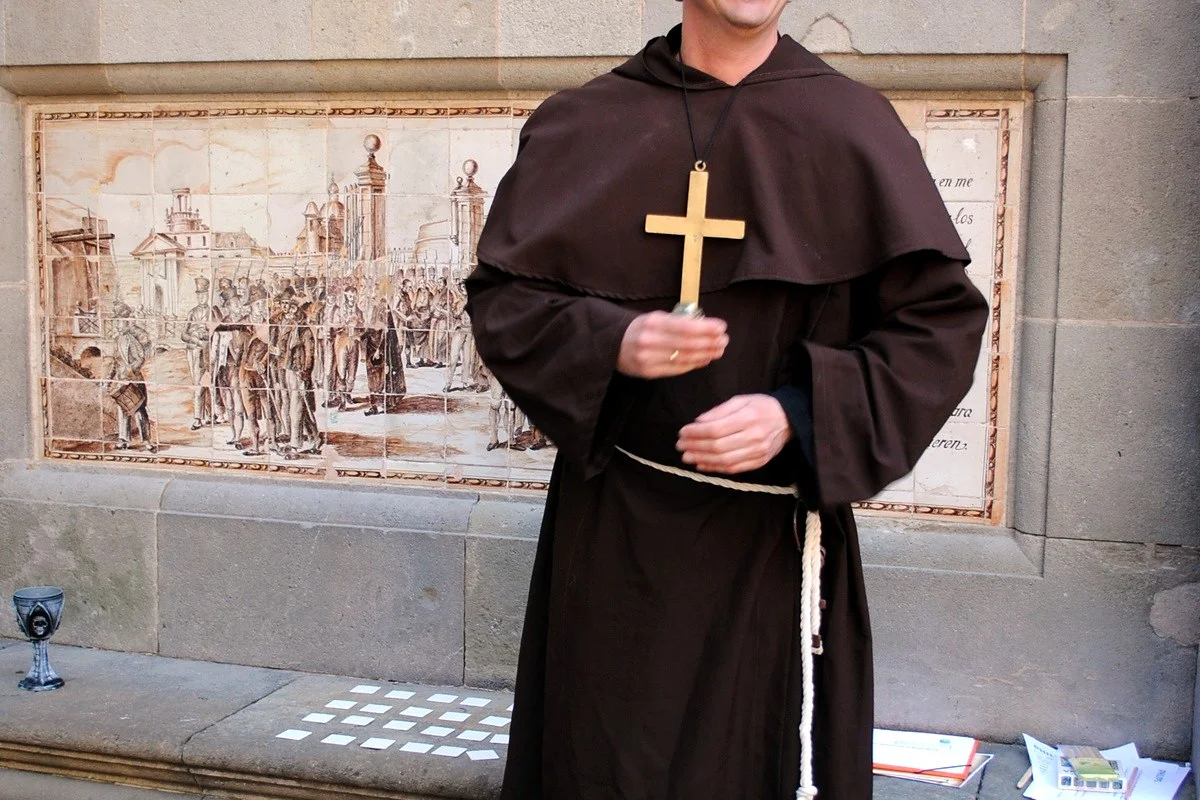
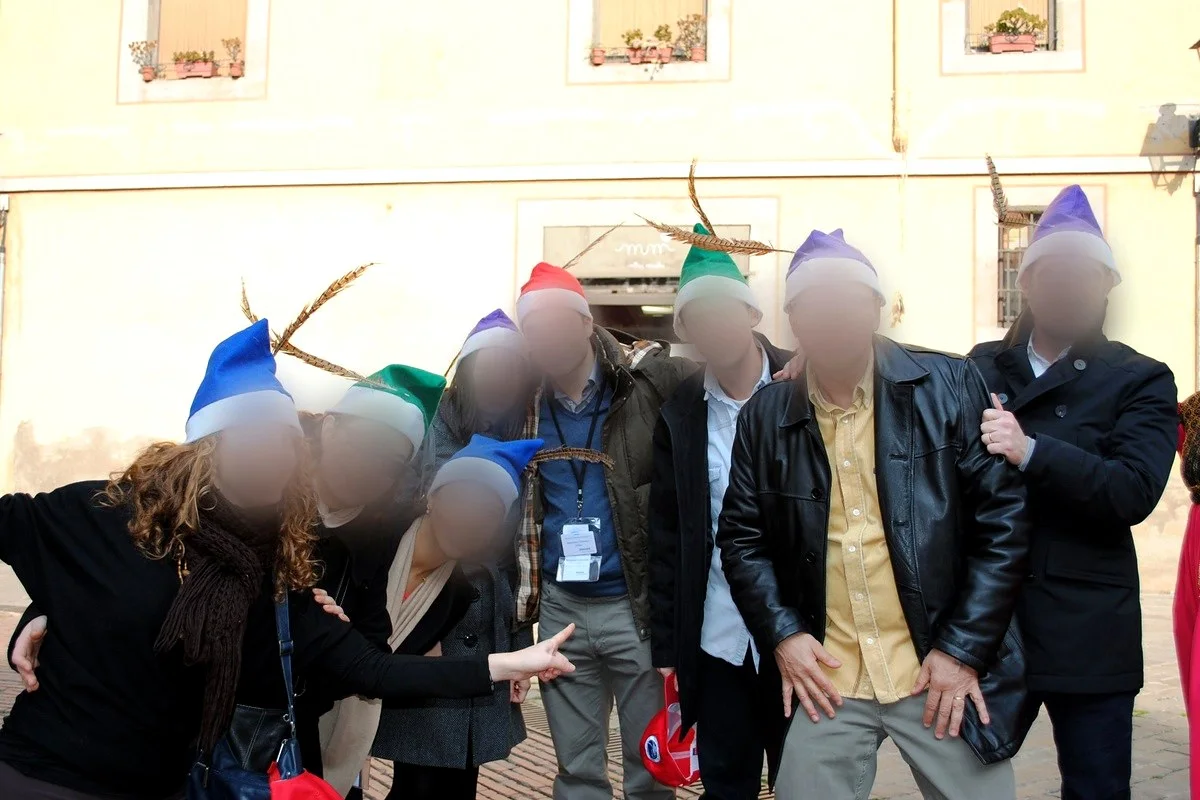
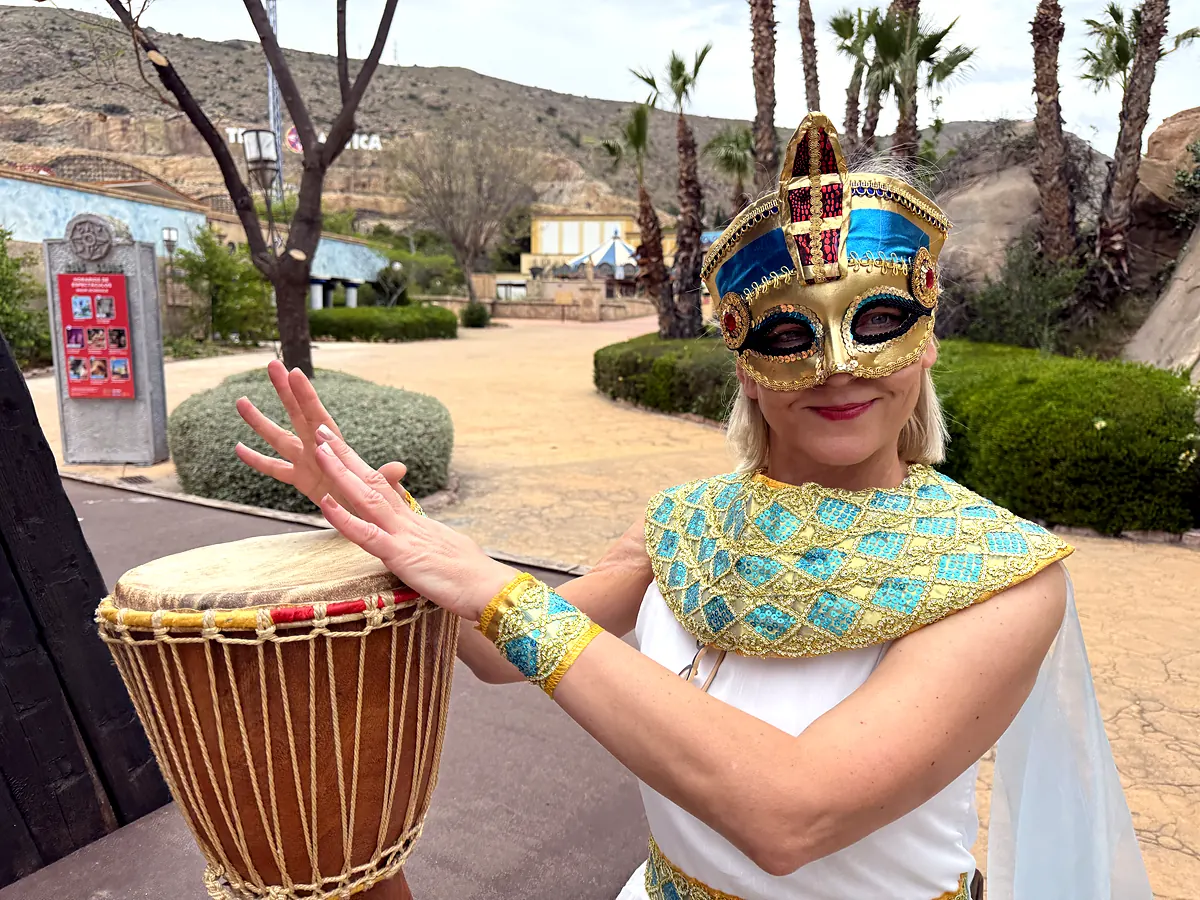
The Queen of EgyptThe TemplarThe monkThe teamsThe rope challengeThe duel
Three themes: spies, adventure and medieval
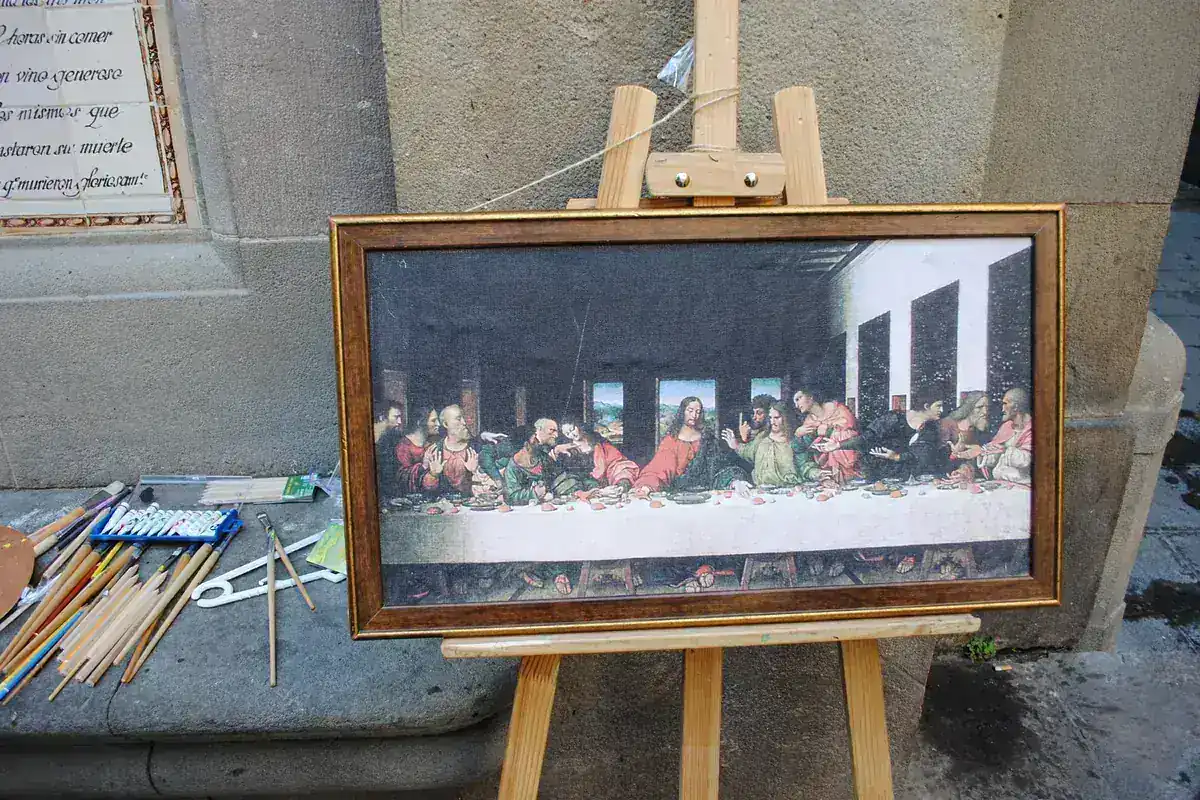
The mechanics are the same in all three; what changes is the story, the actors’ costumes and the type of challenge. Adventure turns the route into a search for a lost object. Medieval makes the most of the old town, with period characters and riddles about manuscripts and paintings. And spies, which we call Spy City, is the best fit for tech companies or for a convention in the office district.
If you’re not sure which to choose, tell us about the group and which part of Madrid you’ll be in, and we’ll tell you which one we’ve seen work best in similar cases.
An example: the Spy City mission
A company is about to unveil a technology that will change its industry, and someone wants to steal it. An undercover agent has disappeared with part of the documents and each team is tasked with recovering them before the others.
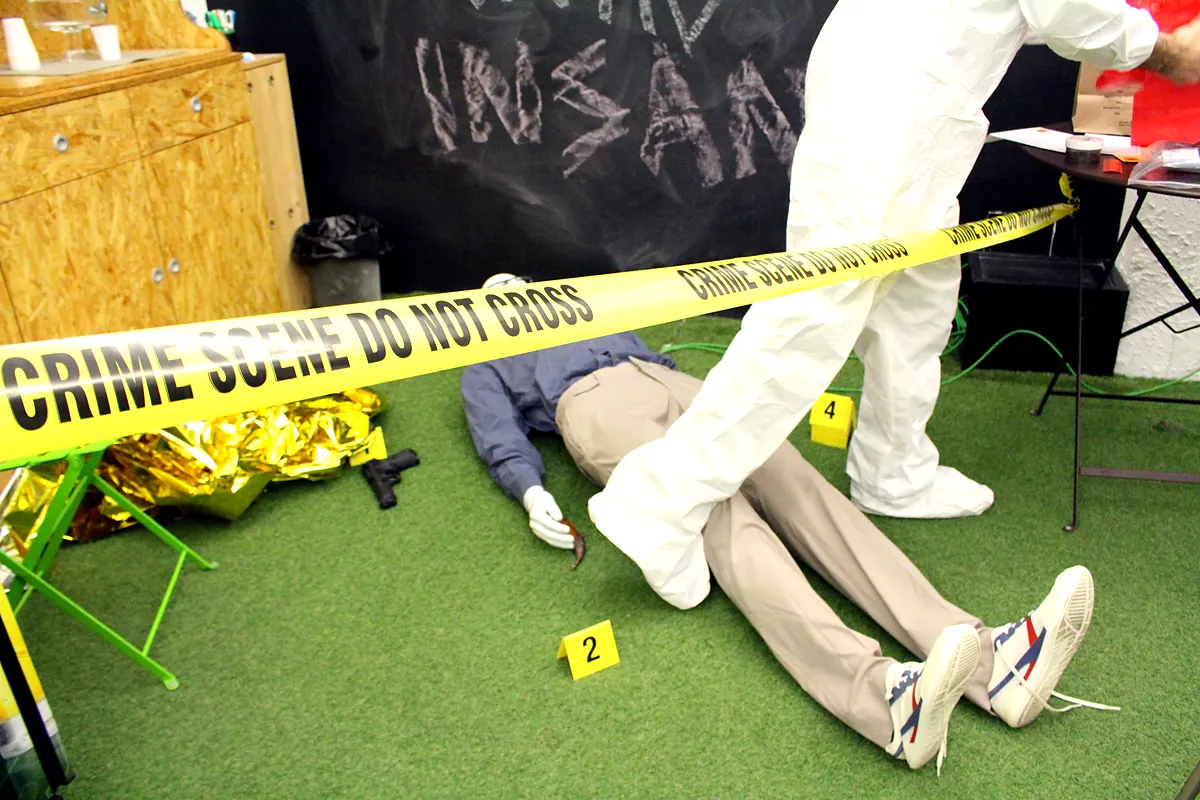
Along the way, three characters played by actors appear: a double agent, an Interpol investigator and a CSI technician. Each one knows something, none of them tells everything, and the teams have to decide whom to trust.
How a corporate scavenger hunt is played
Meeting point. We gather the group, tell the story and explain the rules, form the teams and hand each one its kit, with a colour that identifies it throughout the route.
Route. Each team follows its route between stops. At some there is an actor; at others, a challenge with props or technology. Our team is spread around the area to answer questions and keep track of timings.
Close. All the teams finish in the same place. There the plot is resolved, the scoreboard is reviewed and the prizes are handed out.
What challenges teams face in Spy City
The challenges are designed so that each team has work for different profiles: the one who finds their way around the streets, the one with patience for a code and the one who is happy to put on a pair of goggles.
Neutralising a threat in virtual reality, against the clock
Finding hidden files at points around the city
Lifting fingerprints, as a CSI technician would
Cracking codes and messages
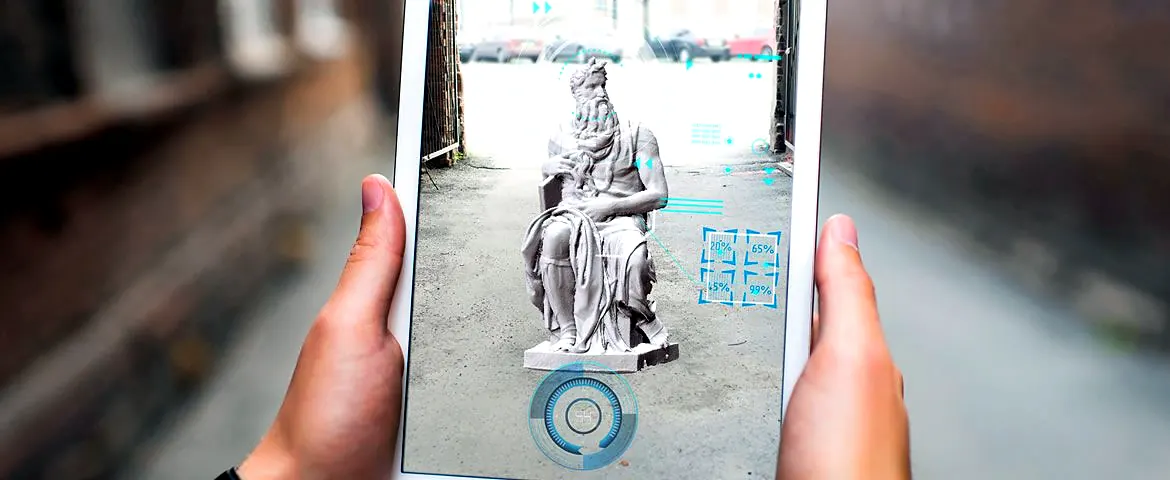
Augmented reality challenges on the surroundings themselves
Using spy gadgets to get the next clue
A case study: 300 people between the centre and the Castellana
For a tech company we set up Spy City with 300 participants split into teams between central Madrid and the Castellana. With a group like that, logistics is what matters most: teams set off in staggered waves and on different routes so they don’t all reach the same stop at once, and the virtual reality challenges, which only take a few people at a time, are duplicated at several points.
A Christmas scavenger hunt in the mountains
The spy plot is not just for central Madrid. For a town council in the Sierra Norte we adapted it as a Christmas scavenger hunt, with the challenges spread around the village, and afterwards we put together a second edition, “Cyber Navidad”, for up to 60 participants.
Where the scavenger hunt takes place in Madrid
The most requested route is the historic centre: Sol, the Plaza Mayor and the Madrid de los Austrias have short streets, squares to regroup the teams and places with history that give the challenges plenty to work with. With very large groups, we spread out the checkpoints so teams don’t bump into each other on the same corner.
Usually the scavenger hunt starts and ends where the event continues: the hotel, the office or the lunch restaurant. Outside the centre, the same format works in a mountain village or around a country estate.
What we need from you
Not much: the date, the approximate number of people and the area of Madrid where the group will be, which is usually where the hotel or office is. We take care of the route, the actors, the materials and the coordination on the day. If you want the story to be about your company, ask us with enough notice to adapt the texts and the challenges.
If part of the team can’t come to Madrid, the same mystery plot has a version to play remotely: take a look at our online experiences.
What the scavenger hunt includes
The route design in the area of Madrid you choose.
The actors who bring the theme’s characters to life.
A kit per team, with its own colour to recognise each other in the street.
The virtual reality and augmented reality challenges and the materials for each stop.
Our team spread along the route and coordination of the timings.
The close with all the teams and the resolution of the plot.
The spy version has an extra twist: there may be a traitor in each team, and part of the game is unmasking them without stopping your progress.
Who it suits
It suits you if…
You are a big group and want people to mix.
Colleagues from other offices are coming and it’s a good excuse to show them Madrid.
You want something active, but not physically demanding.
Another option is better if…
You have less than an hour: take a look at Bingo Show.
You don’t want to depend on the weather: El Golpe Maestro is played indoors with a similar plot.
Scavenger hunt in the Retiro: the search for the treasure
The adventure theme has a version designed for the Retiro. The story starts from a legend: an adviser to Philip IV is said to have hidden a treasure in the park and left clues among sculptures, fountains and trees.
A game master welcomes the group and explains the game. Then we form teams of around 8 people and each one receives two copies of the instructions, a map, the riddles and the materials. There are four types of mark on the map:
Photo points: the team takes the photo it is asked for and sends it by WhatsApp for us to check.
Challenge points: a facilitator is waiting there with a team challenge.
Points of interest: landmarks in the park that help with finding your way.
Transit questions: answered on the way between one point and the next.
Back at the meeting point, the information from all the teams is collected, the winner is announced and the winners take home a diploma.
Scavenger hunt team challenges played without screens
Not every stop involves technology. In parks and squares we use skill and logic challenges that are solved by talking and coordinating:
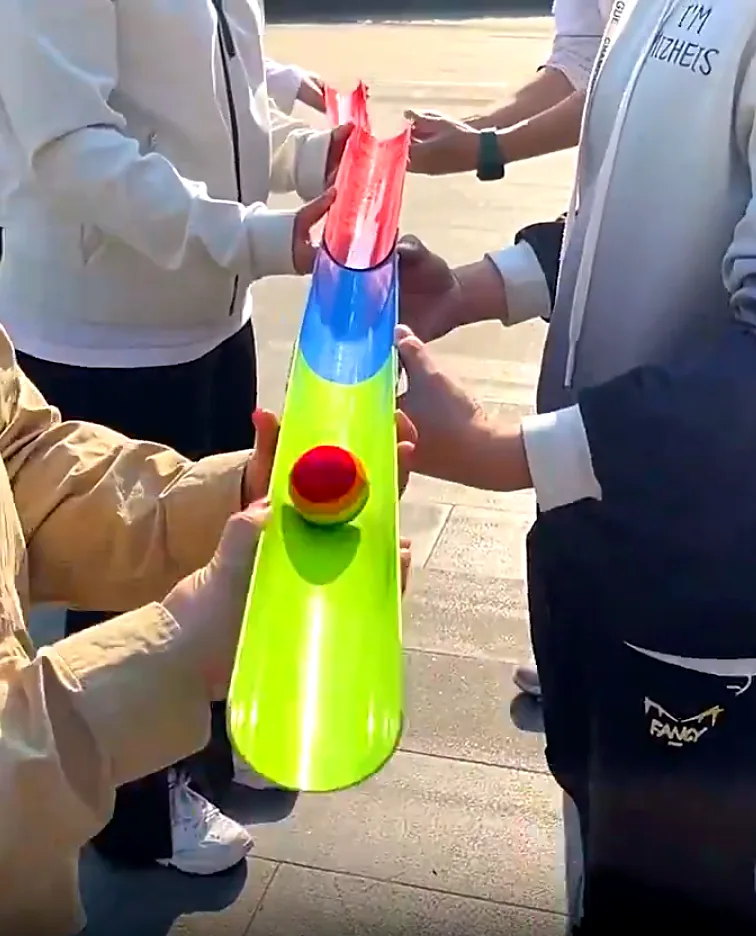
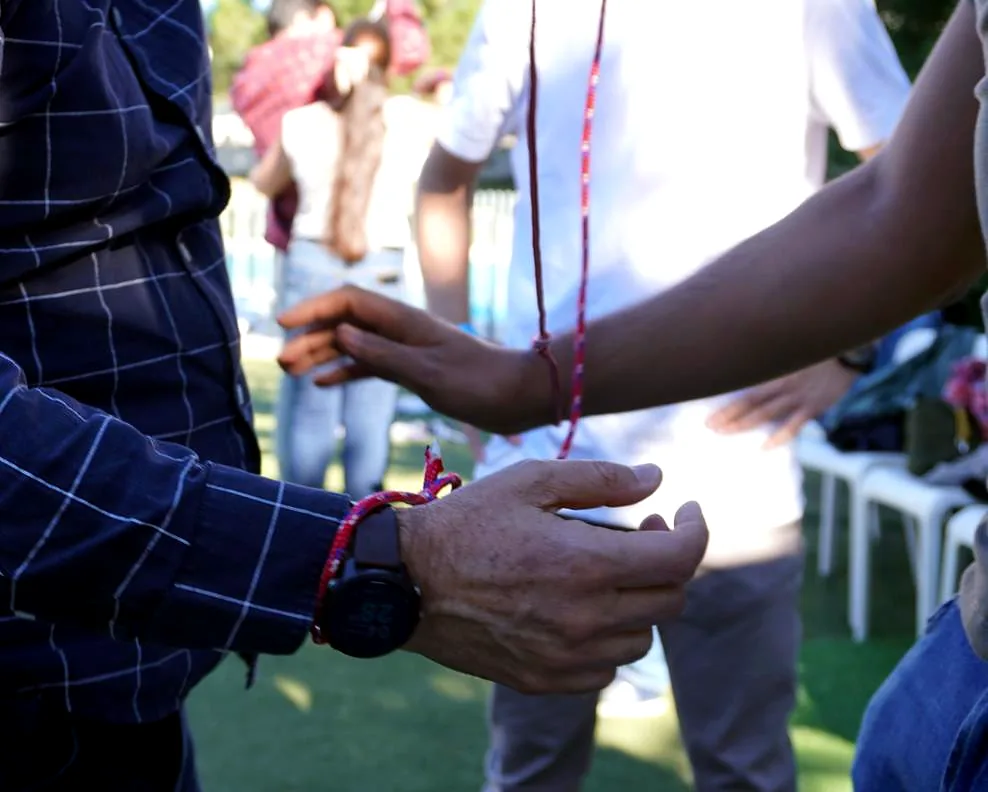
The channels challengeThe handcuffs
Channels: each person holds a section of channel and together they form a downward chain.
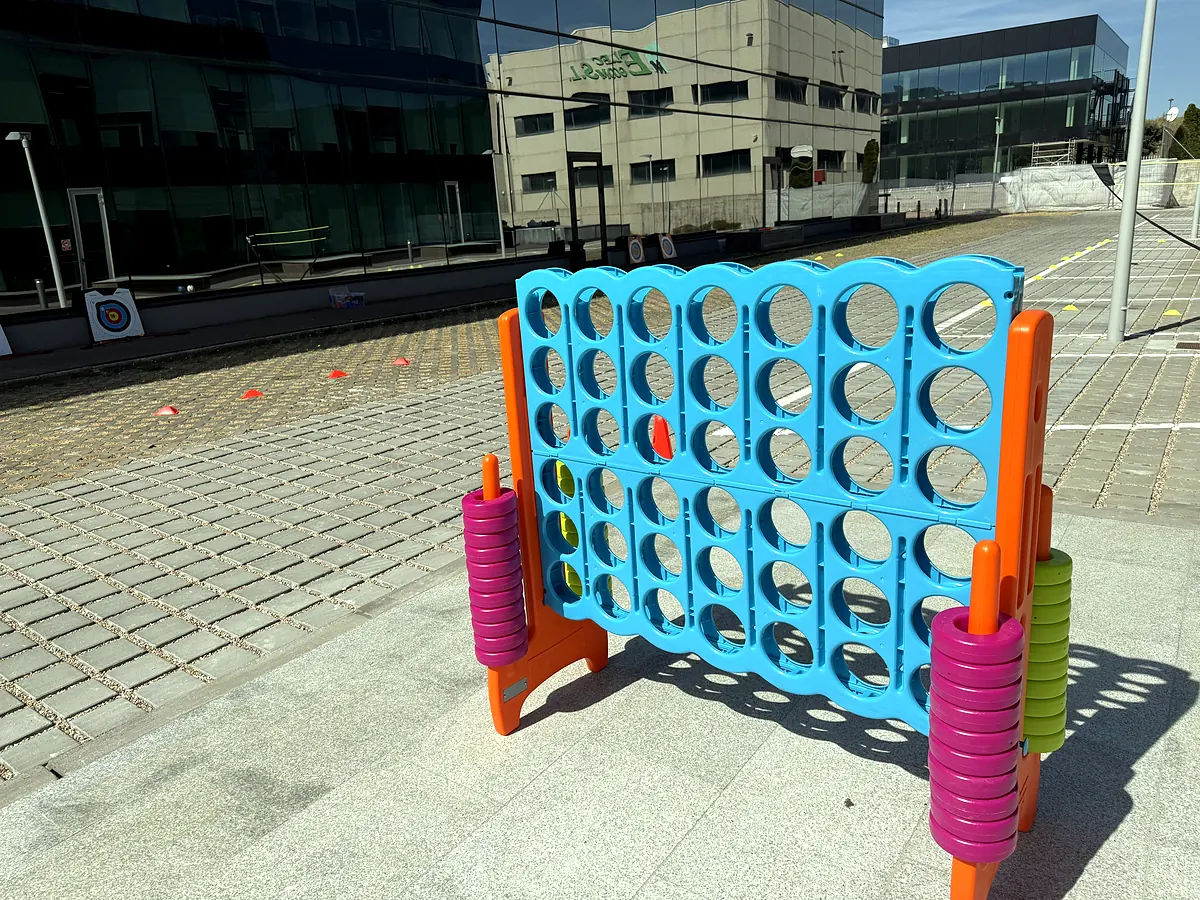
Rings: thrown from a marked line to land them on stakes.
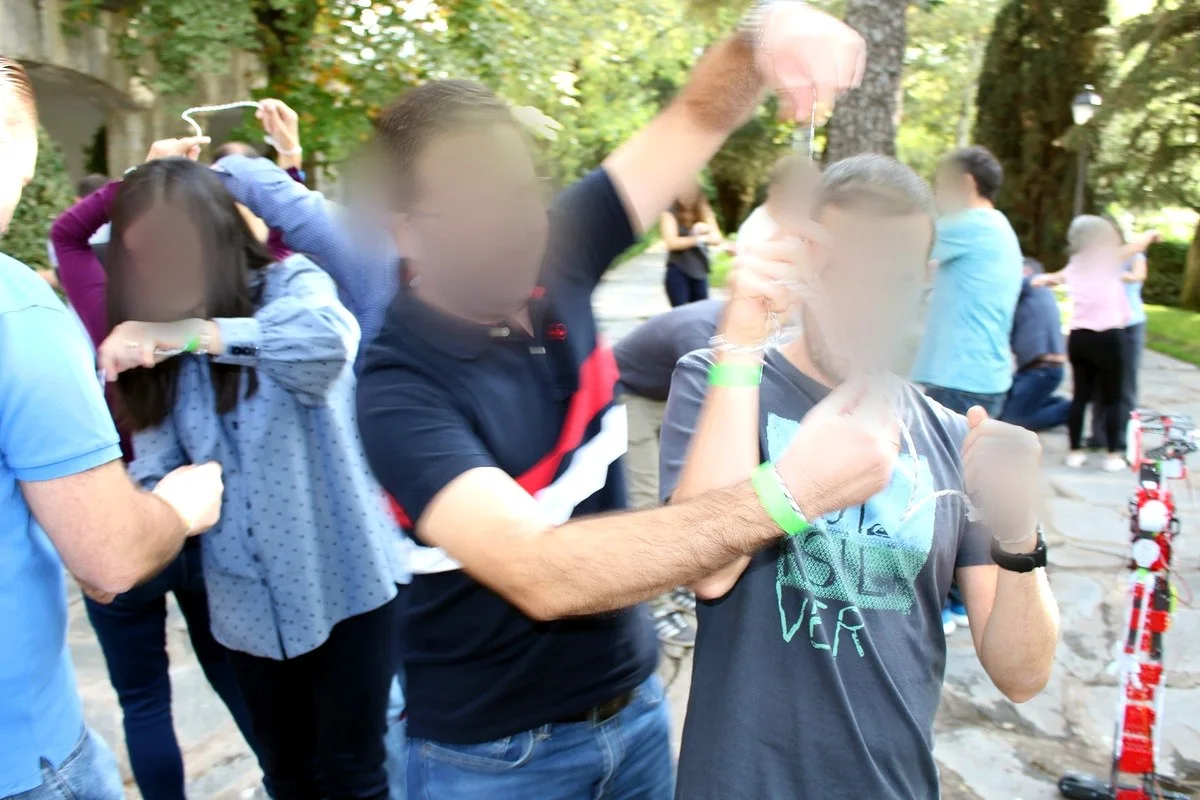
Handcuffs: two people are tied together with ropes and have to free themselves while meeting certain conditions.
Nails: build a stable structure with a piece of wood and some nails.
Blanket: the whole team stands on a tarpaulin and turns it over without touching the ground.
The characters of the medieval scavenger hunt
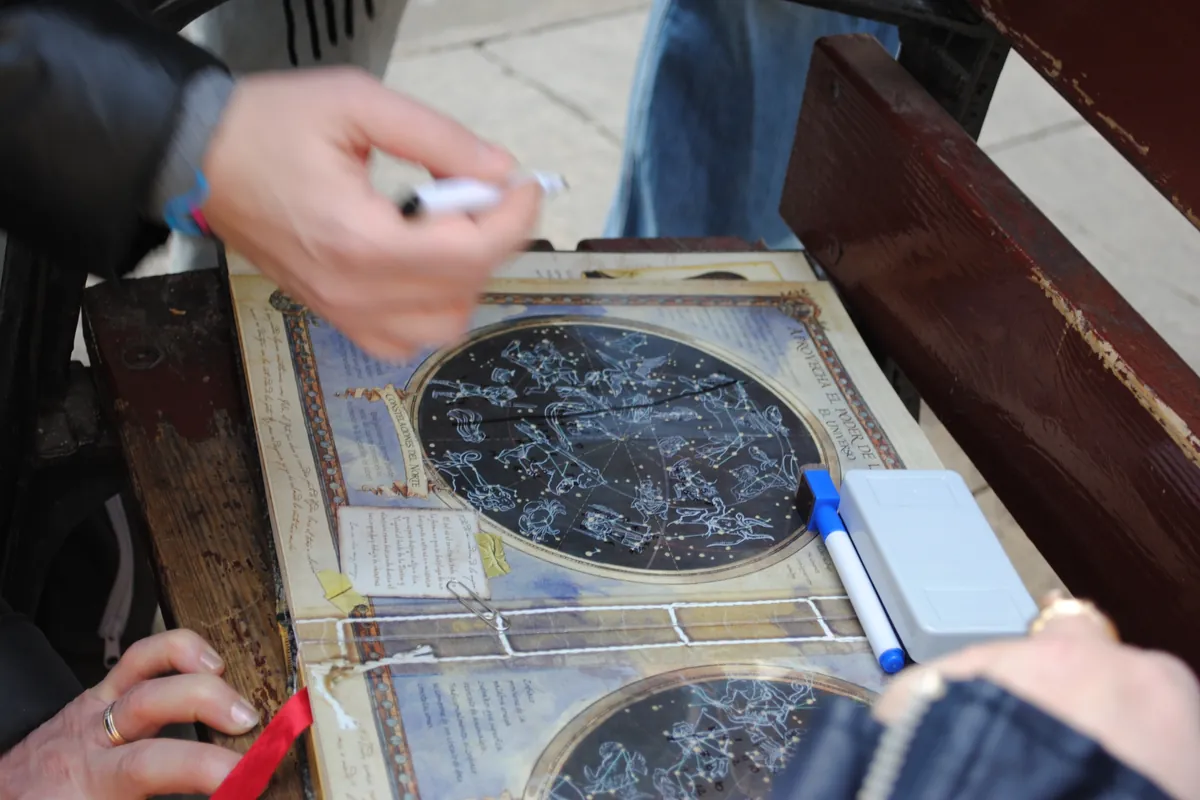
In the medieval theme, a scientist has broken a clock capable of opening a rift in time. The fragments have ended up in the hands of characters from the Middle Ages, and each one asks teams to pass their challenge before handing theirs over:
The alchemist: combinations of elements to find the “philosopher’s stone”.
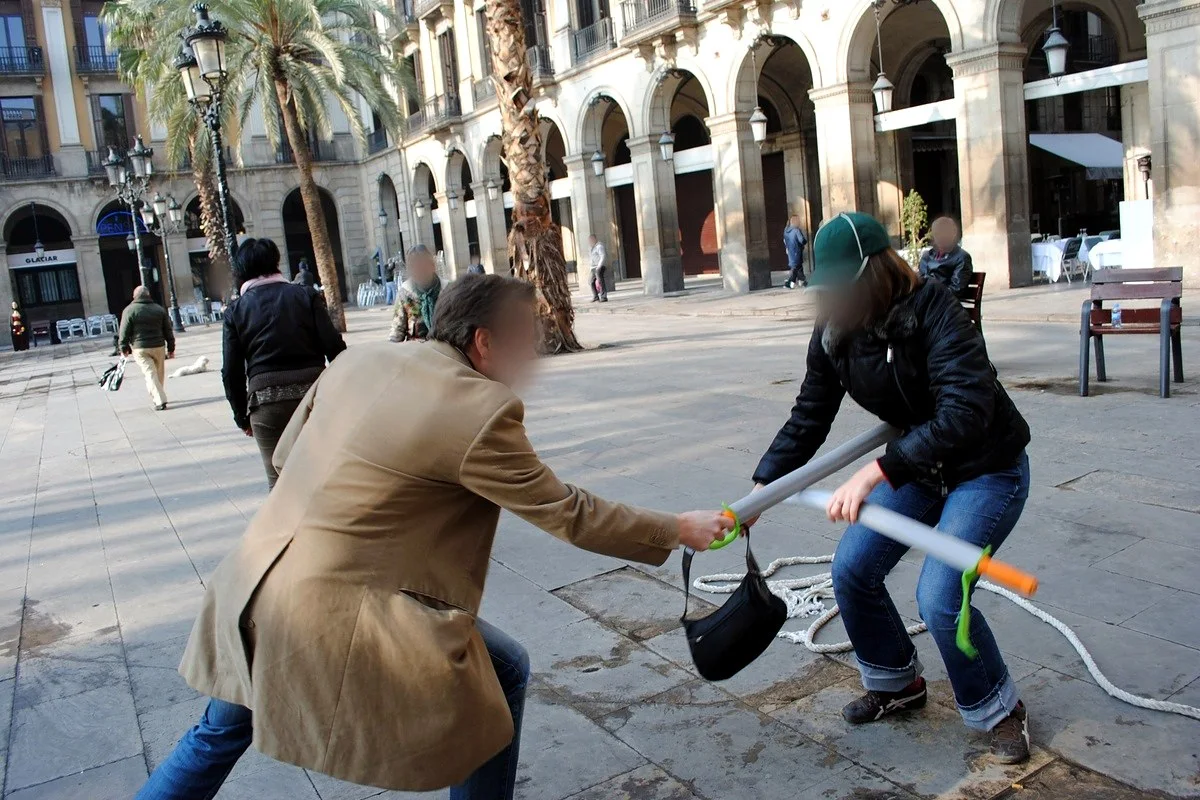
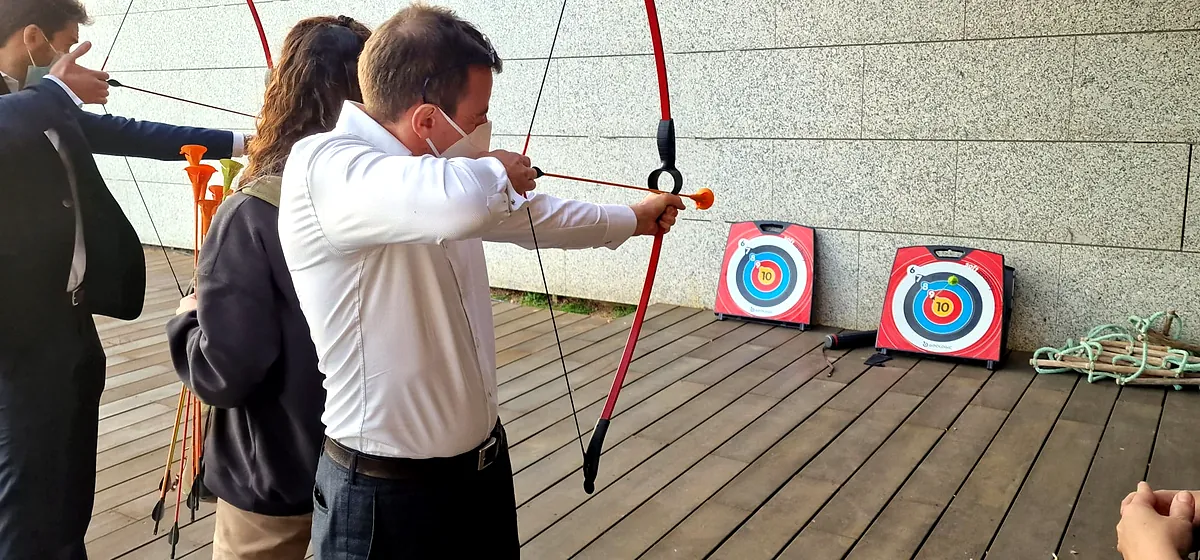
The Knight Templar: riddles about the Order of the Temple and a fencing duel with foam swords.
The maiden: medieval dances that call for balance and coordination.
Activity designed by Aneta Magdalena and the Kleverplay team.
What makes it different
The innovation
Teams carry an artificial intelligence assistant they can ask for clues. There are augmented reality challenges on the monuments themselves and 360° scenes in which to find clues. Everything opens on each participant’s phone, without downloading any app.
Optional and free
Final team report
When it is over, we send you a PDF report if you would like one. It covers the activity and how it went, how the teams finished and who won, the conclusions and the photos of the day.
The activity and how it went
The teams and the winners
The conclusions
The photos
Frequently asked questions about the scavenger hunt in Madrid for companies
How long does the scavenger hunt last?
Between one and two hours, depending on the number of stops. On top of that come the welcome and the close with the prize-giving.
How many people is it for?
From 8 people up to 800. With large groups, teams set off in staggered waves and on different routes; we have run it with 300 participants between the centre and the Castellana.
Which area of Madrid is it held in?
Wherever suits your group: the historic centre, along the Castellana or around the hotel or office. We adapt the route to the area.
Do you need to be fit?
No. It is done on foot at a relaxed pace, and the challenges are about wit and coordination, not physical effort. If anyone in the group has reduced mobility, let us know and we’ll adjust the route.
Can it be customised with our company?
Yes. The story, the messages and some of the challenges can be adapted to your company. We need to know in advance to prepare the texts and the materials.
What themes are there?
Three: spies (Spy City), adventure and medieval. The mechanics of teams and stops are the same; what changes is the story, the characters and the type of challenge.
Where does the scavenger hunt start and finish?
Wherever you tell us. Usually it starts from and returns to the hotel, the office or the restaurant where the event continues.
Can it be done at Christmas?
Yes. We have run it as a Christmas scavenger hunt with a spy plot, and in December it can be given Christmas challenges and decorations.
Other team building activities for companies in Madrid